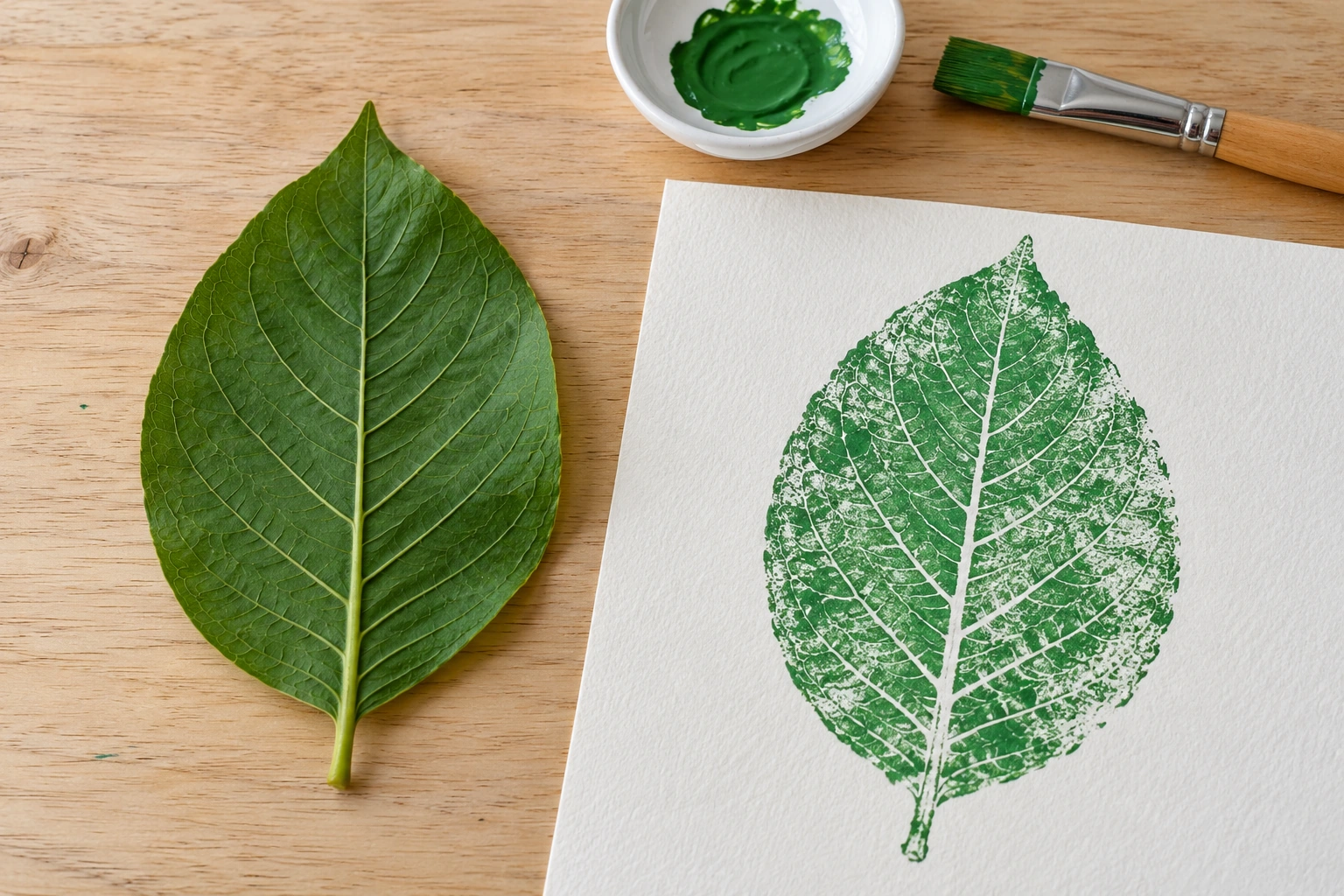
Printing Leaves with Paint: Comparing the Result with Frottage
Leaf printing transfers paint from a leaf surface onto paper. Frottage records relief by rubbing pencil or crayon across paper placed over the leaf. Both begin with the.
 Drawing and Painting Course
Blog
Practice guides, public Zumenart updates, competitions, exhibitions, and learning stories from the studio.
Leaf printing transfers paint from a leaf surface onto paper. Frottage records relief by rubbing pencil or crayon across paper placed over the leaf. Both begin with the.
Useful reads about drawing, painting, confidence, portfolio habits, and class feedback.
Leaf printing transfers paint from a leaf surface onto paper. Frottage records relief by rubbing pencil or crayon across paper placed over the leaf. Both begin with the.
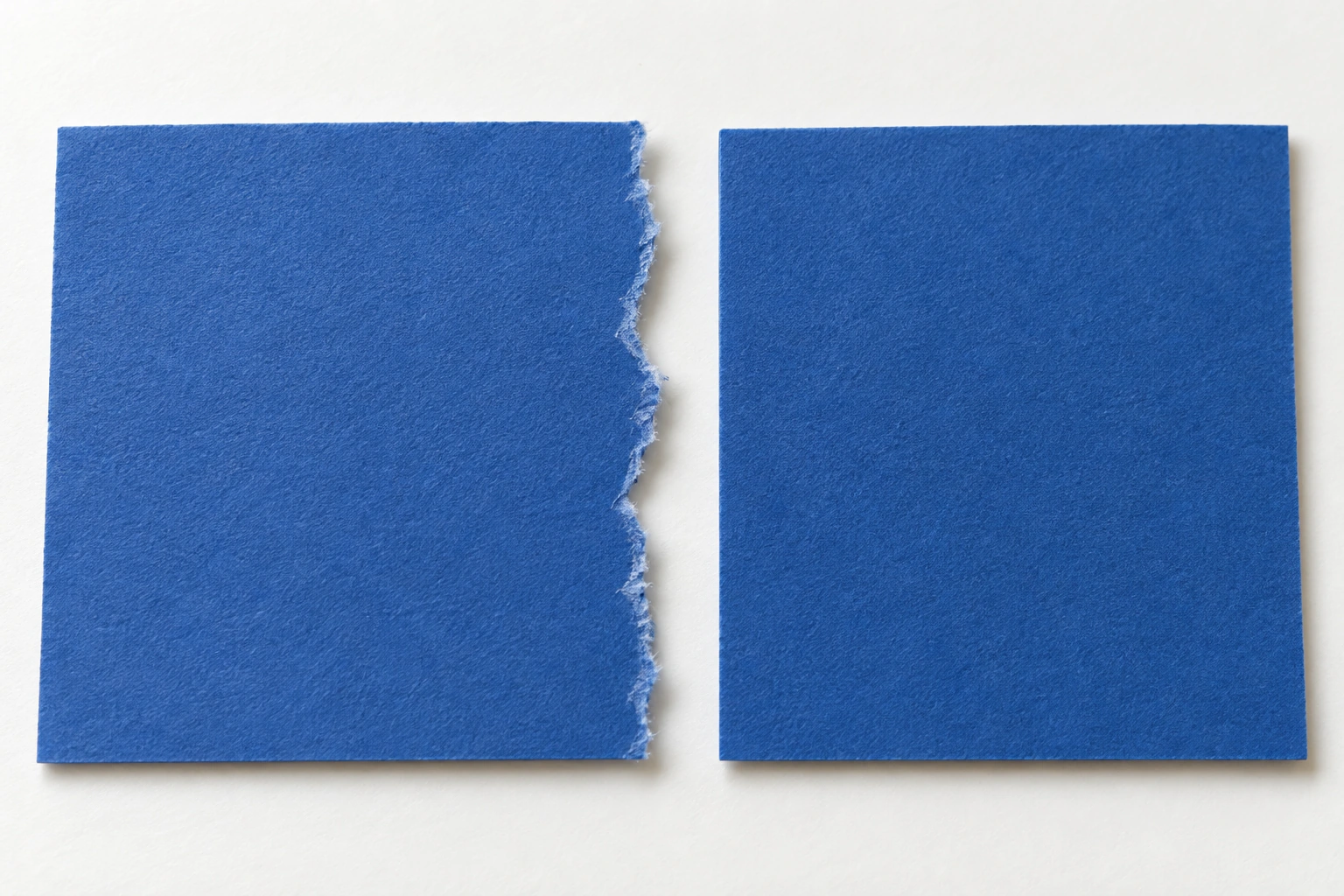
Torn and scissor-cut paper edges give a collage different characteristics.
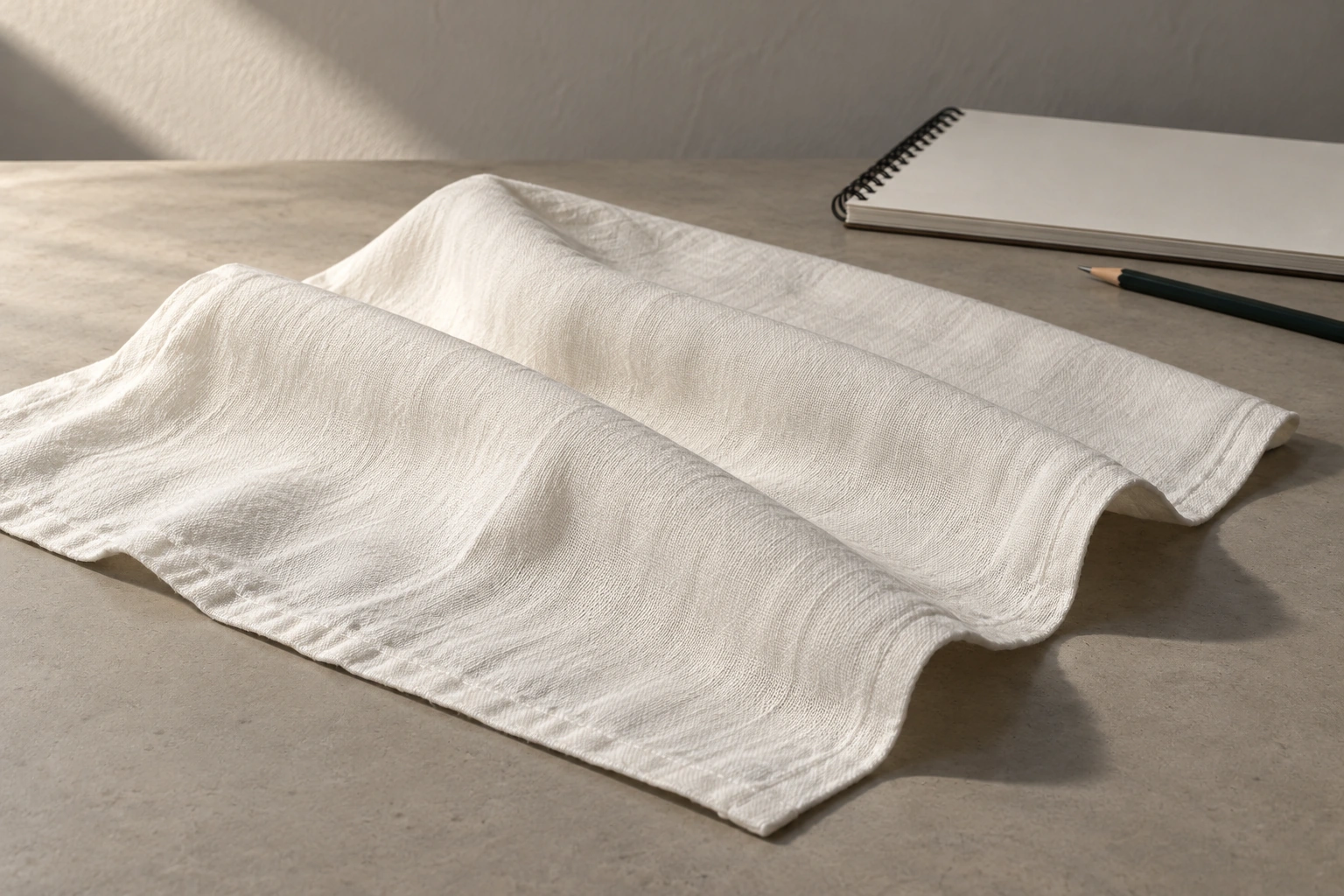
Drawing cloth folds becomes easier when you distinguish form shadows from cast shadows.
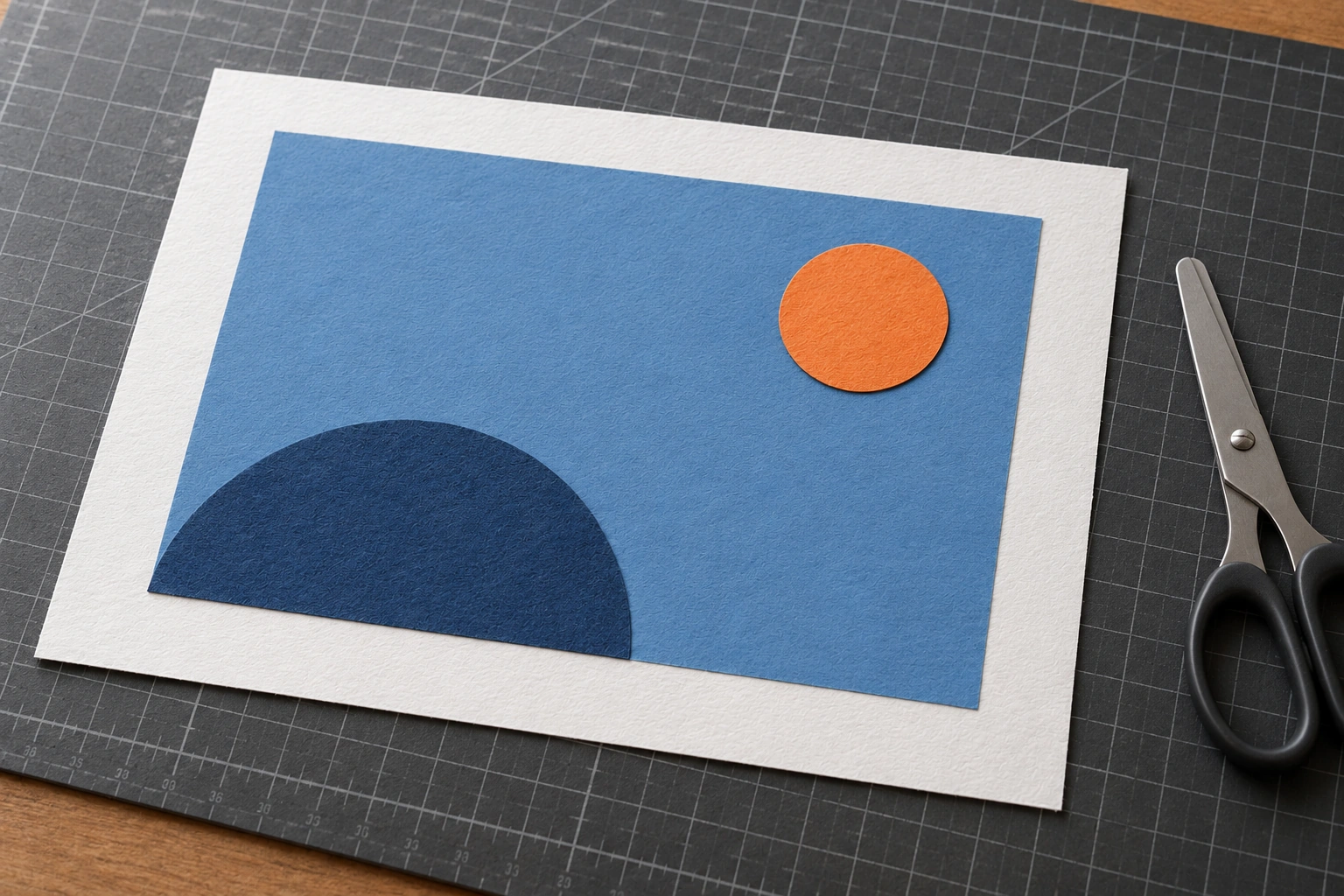
Compare warm and cool collages with fixed shapes to observe accents, focal points and the colour variables that change.
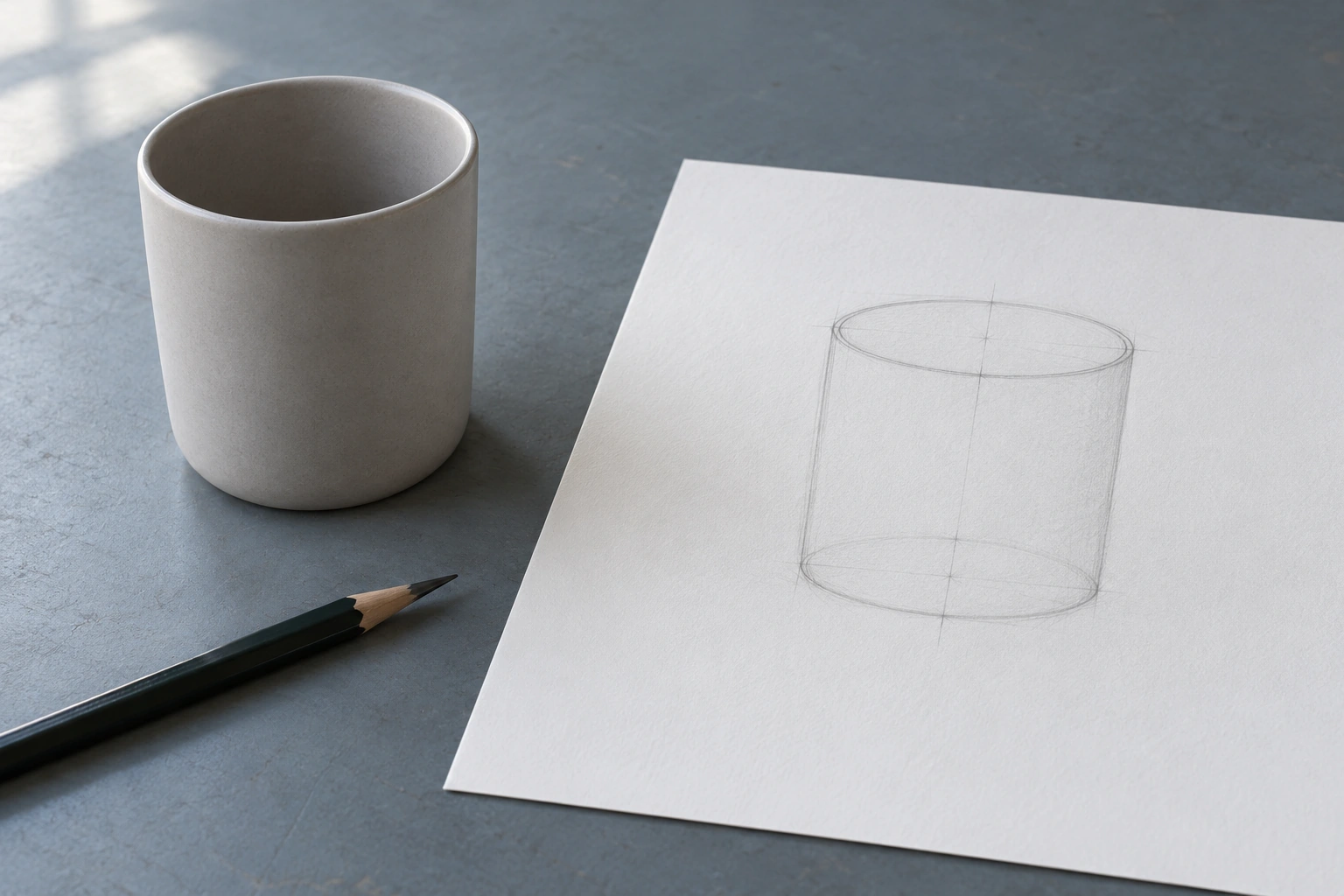
Build a cylinder drawing from ellipses, axes, side connections and cup observation before adding shading.
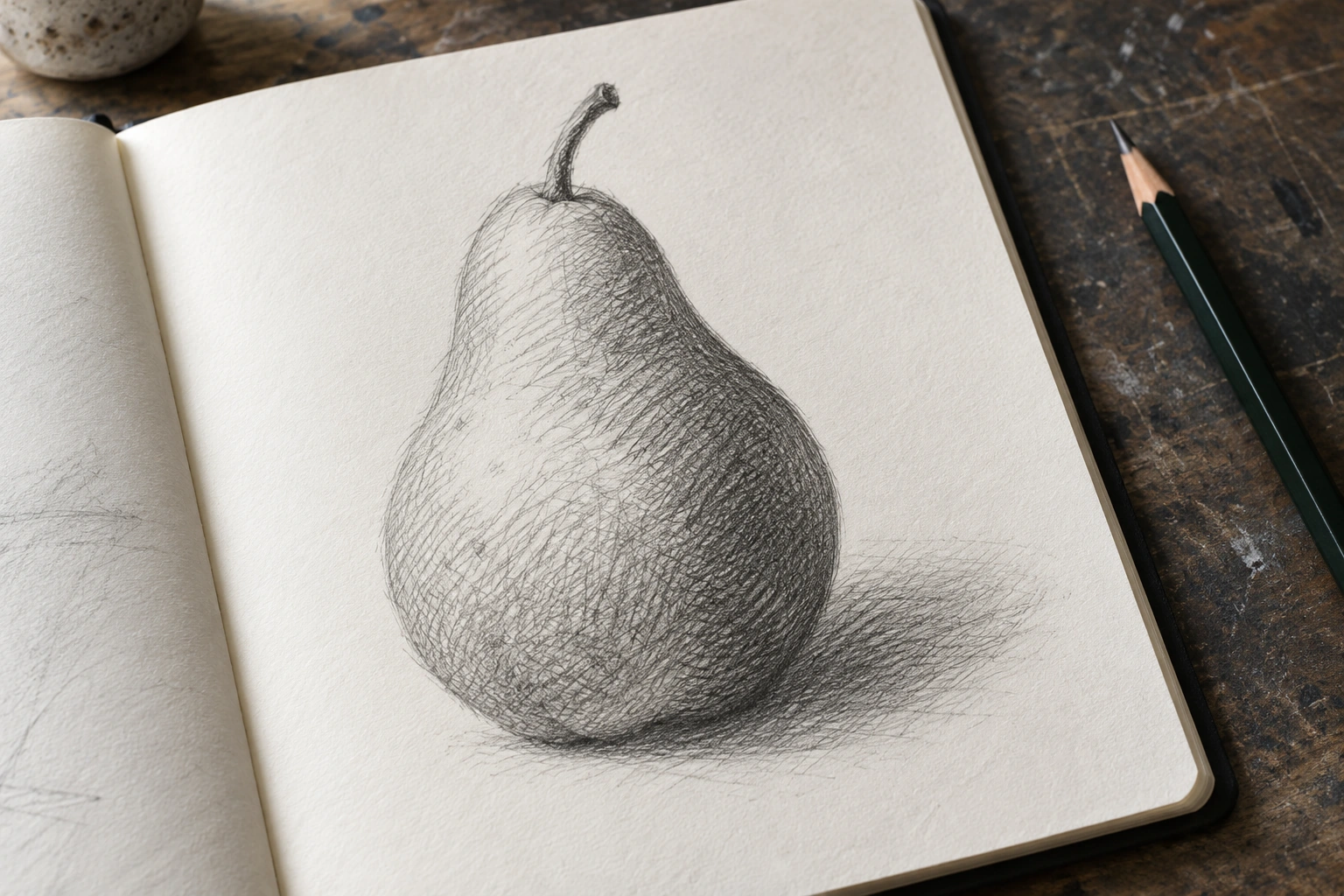
Practise cross-hatching through three values, directional layers, controlled spacing and application to one simple form.
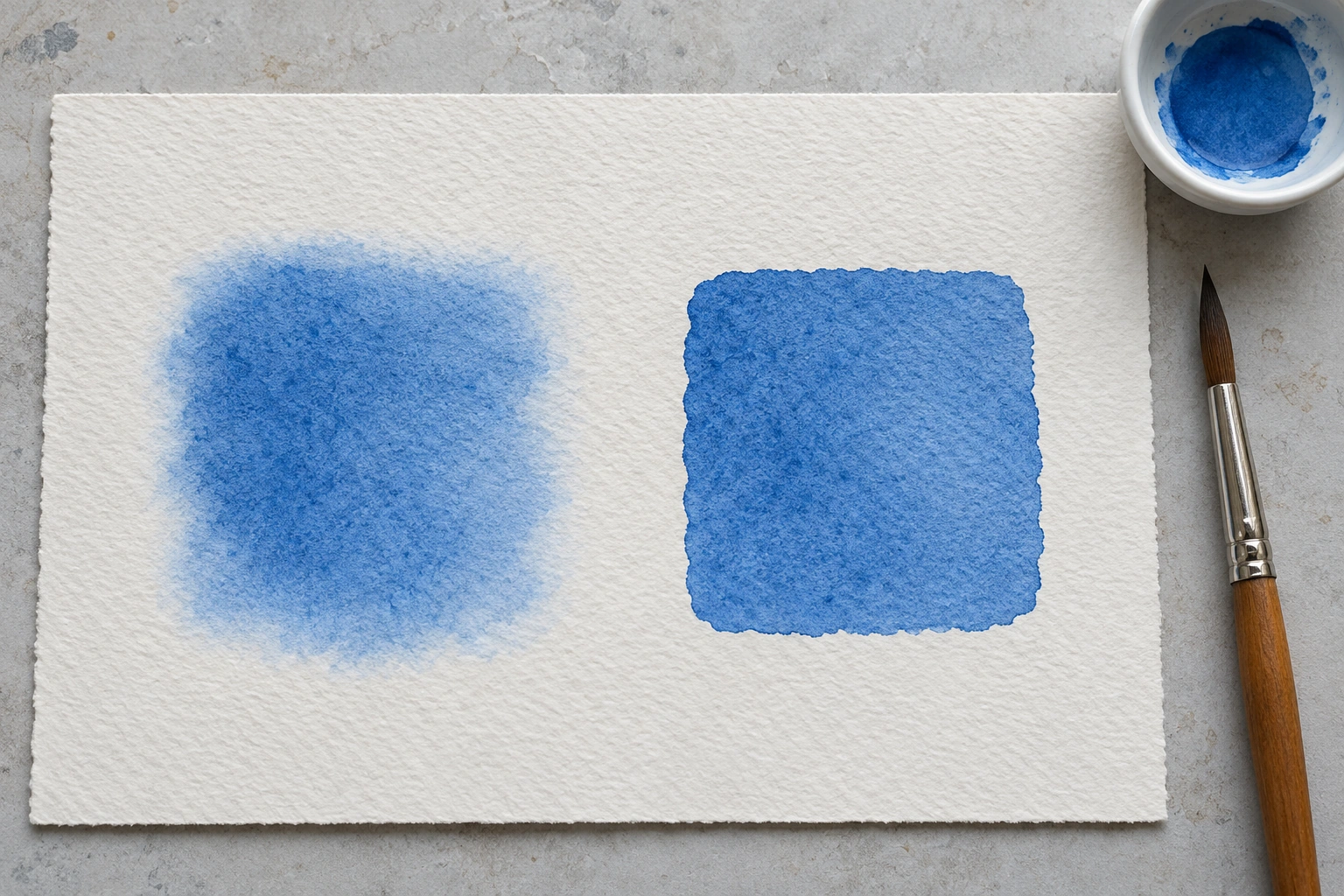
Compare wet-on-wet and wet-on-dry watercolour with the same pigment and paper, then examine the edges after drying.
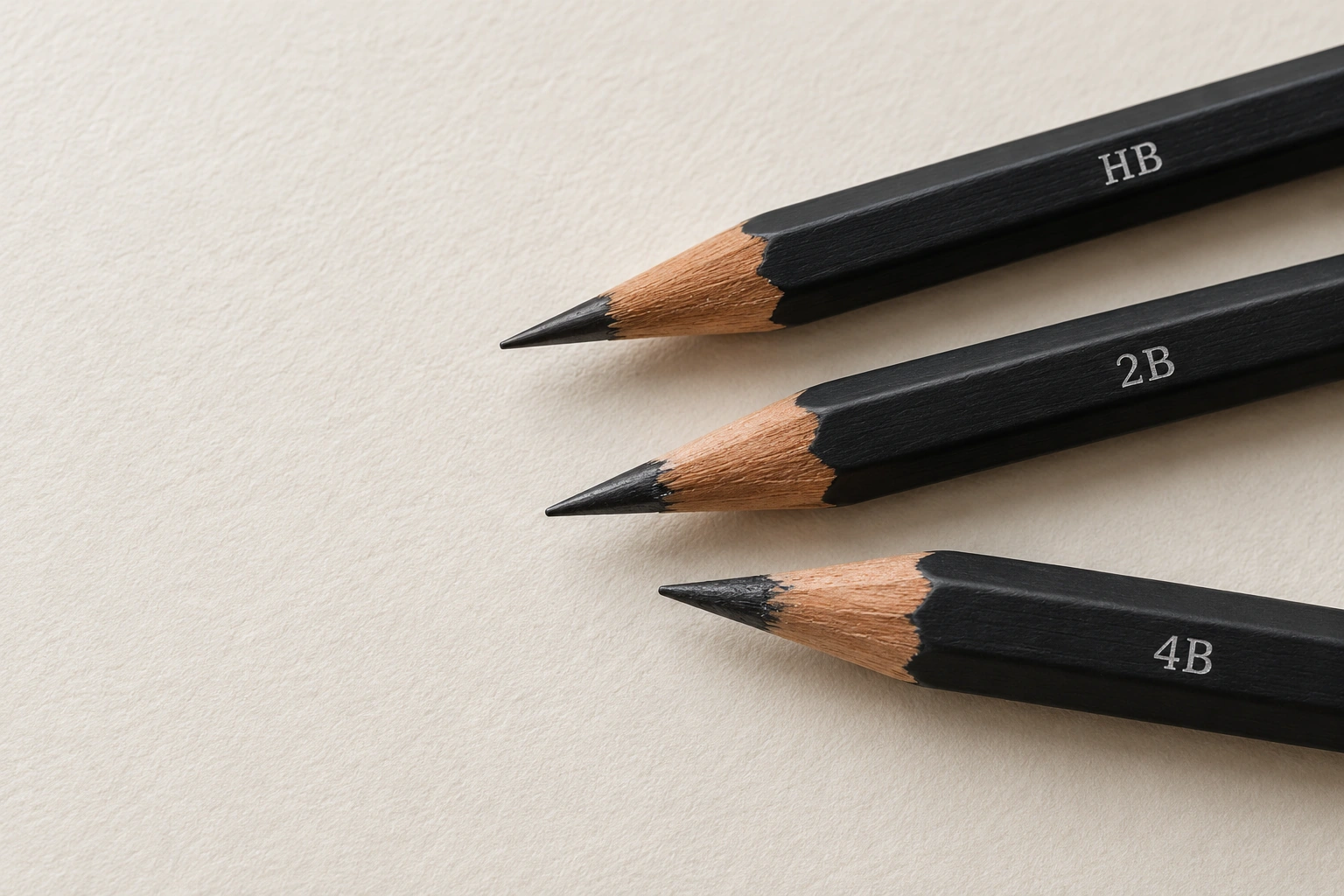
Compare HB, 2B and 4B pencils with the same paper and pressure, then apply them to one form under consistent lighting.
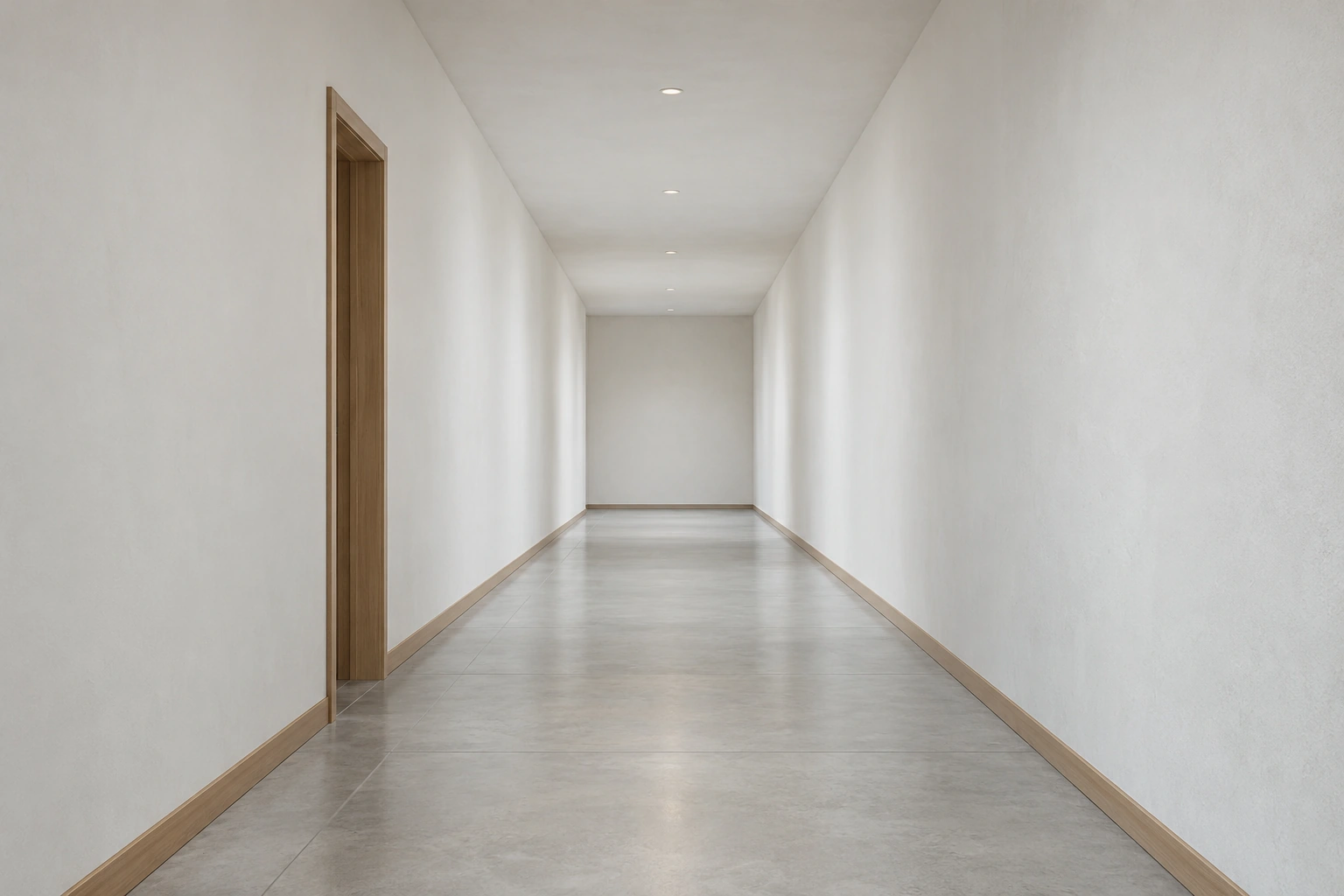
Practise one-point perspective by constructing a horizon, a back wall and corridor depth before adding details.
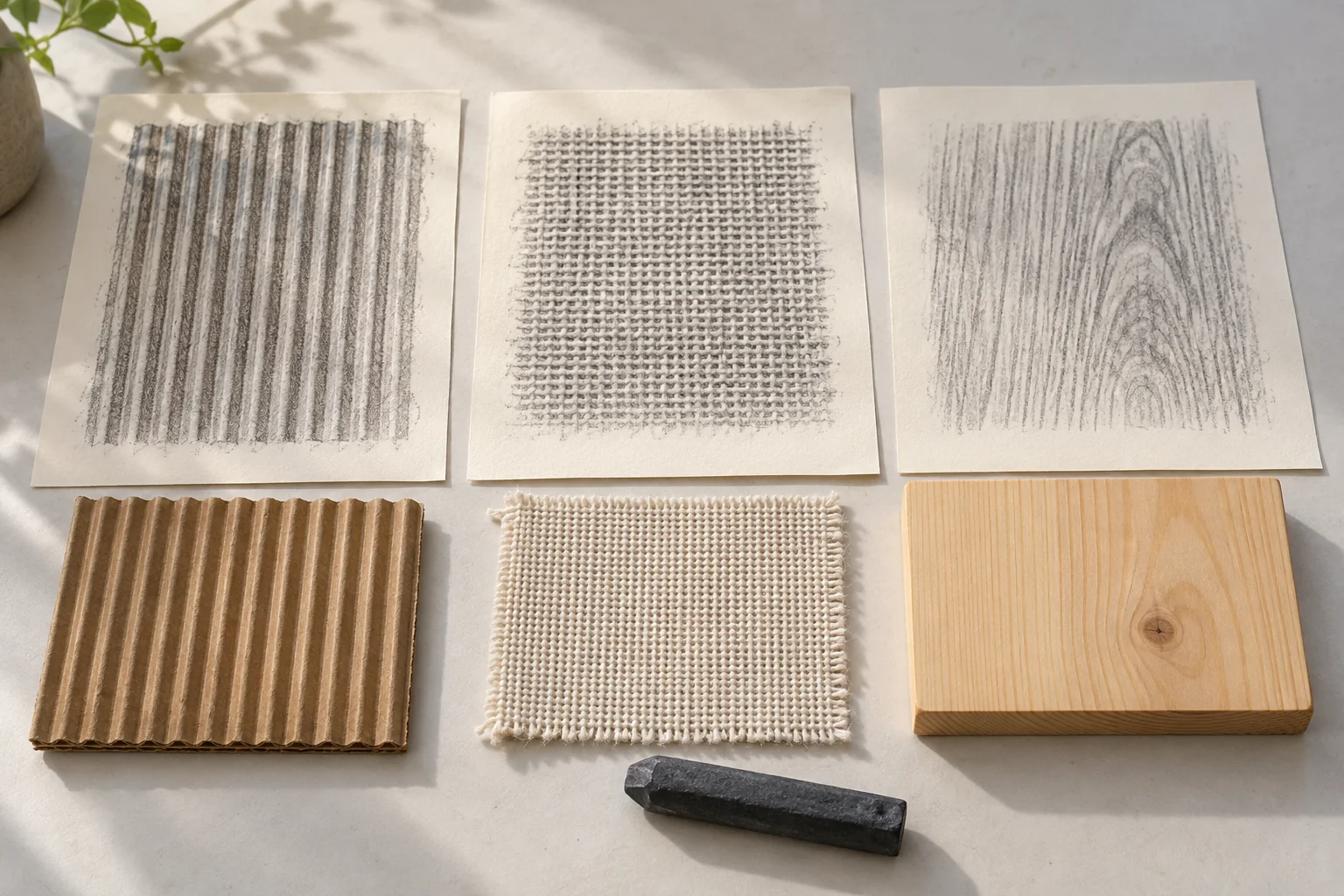
Try cardboard, fabric, and wood rubbings on paper to compare texture direction and density in a frottage exercise.
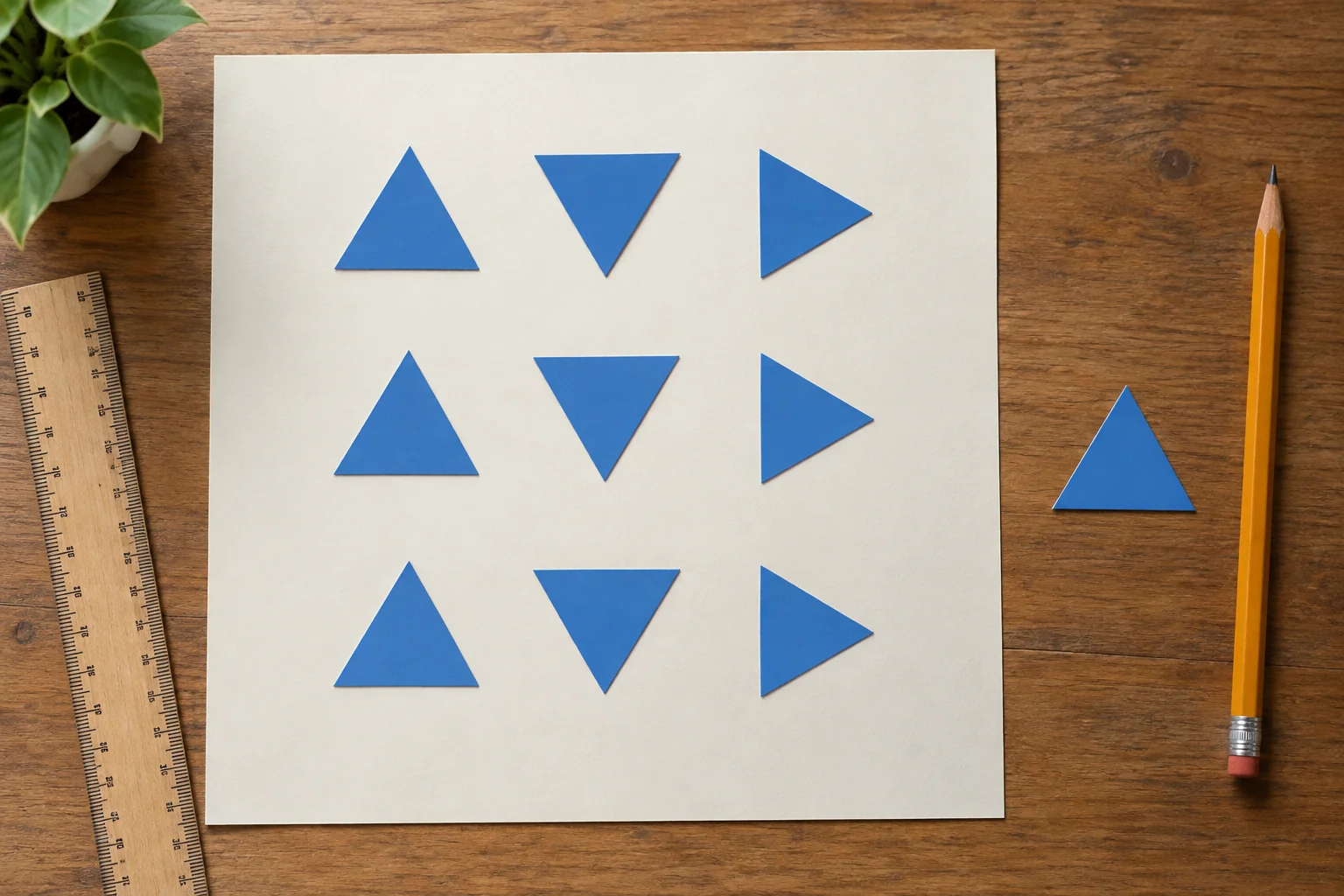
Use one reference triangle to explore three orientations, repeating sequences, and spacing that creates a visual rhythm.
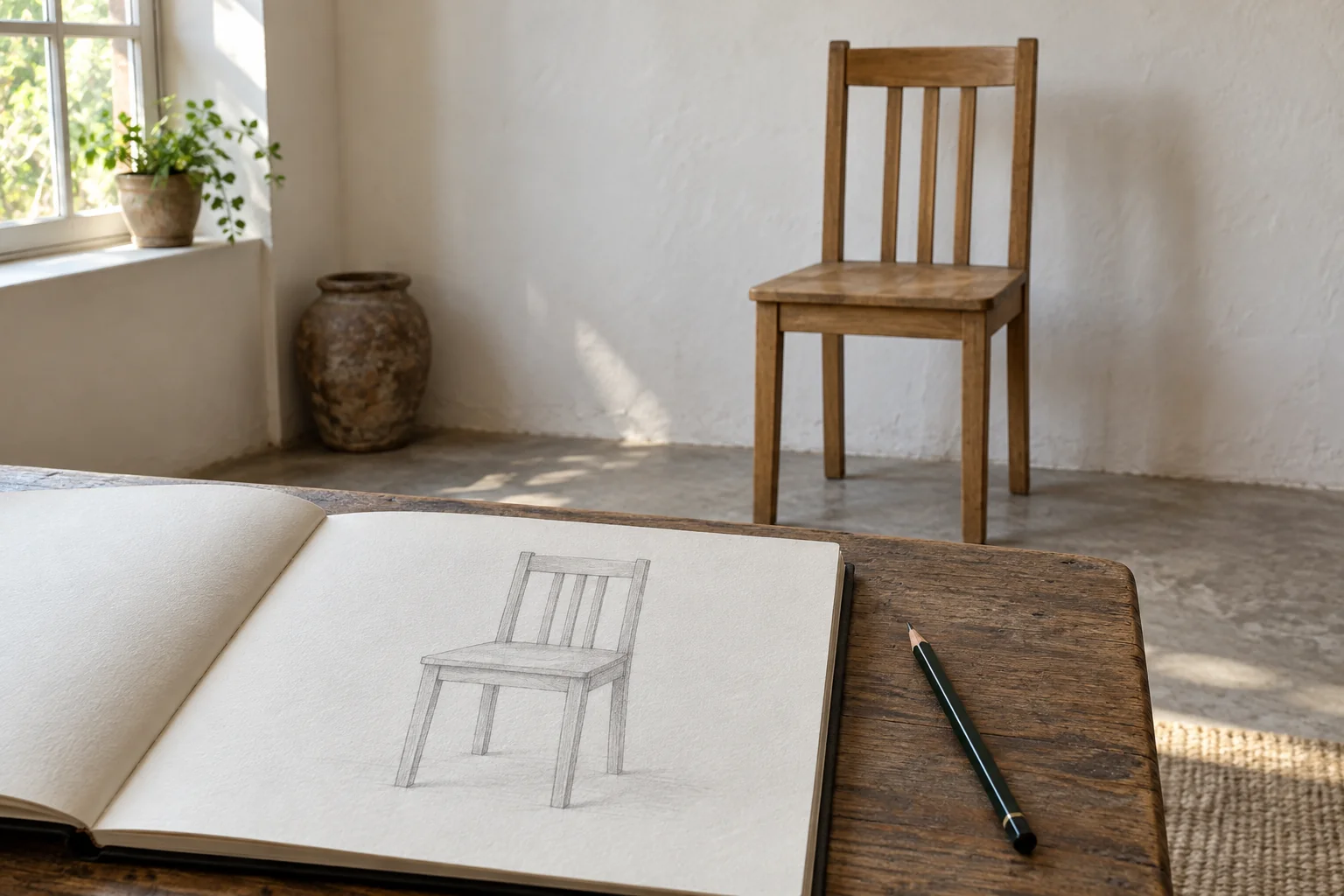
Observe gaps between a chair's legs and backrest to build its form through the empty spaces around its parts.
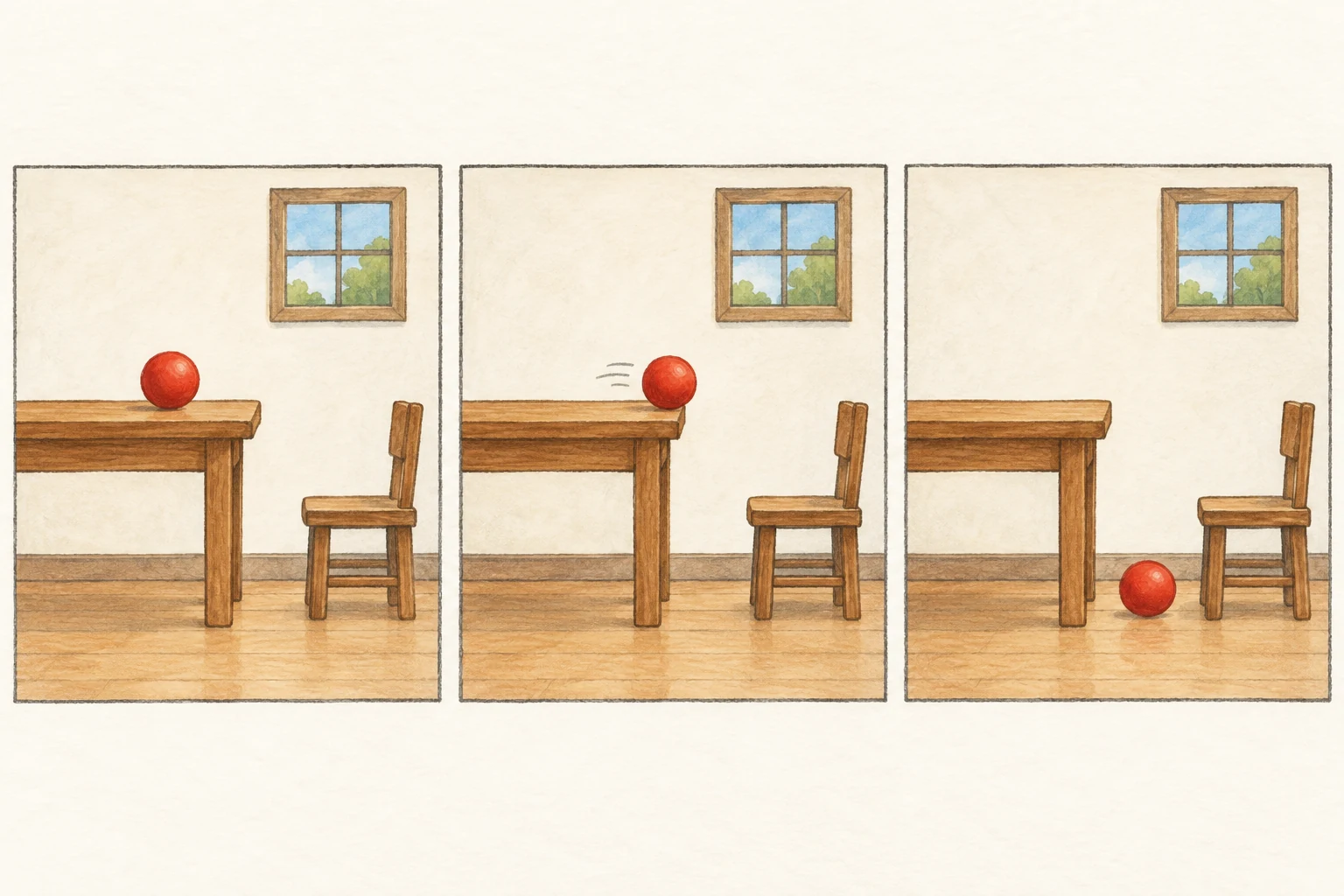
Plan a beginning, change, and result with one object, then preserve landmarks so readers can follow the story without explanatory sentences.
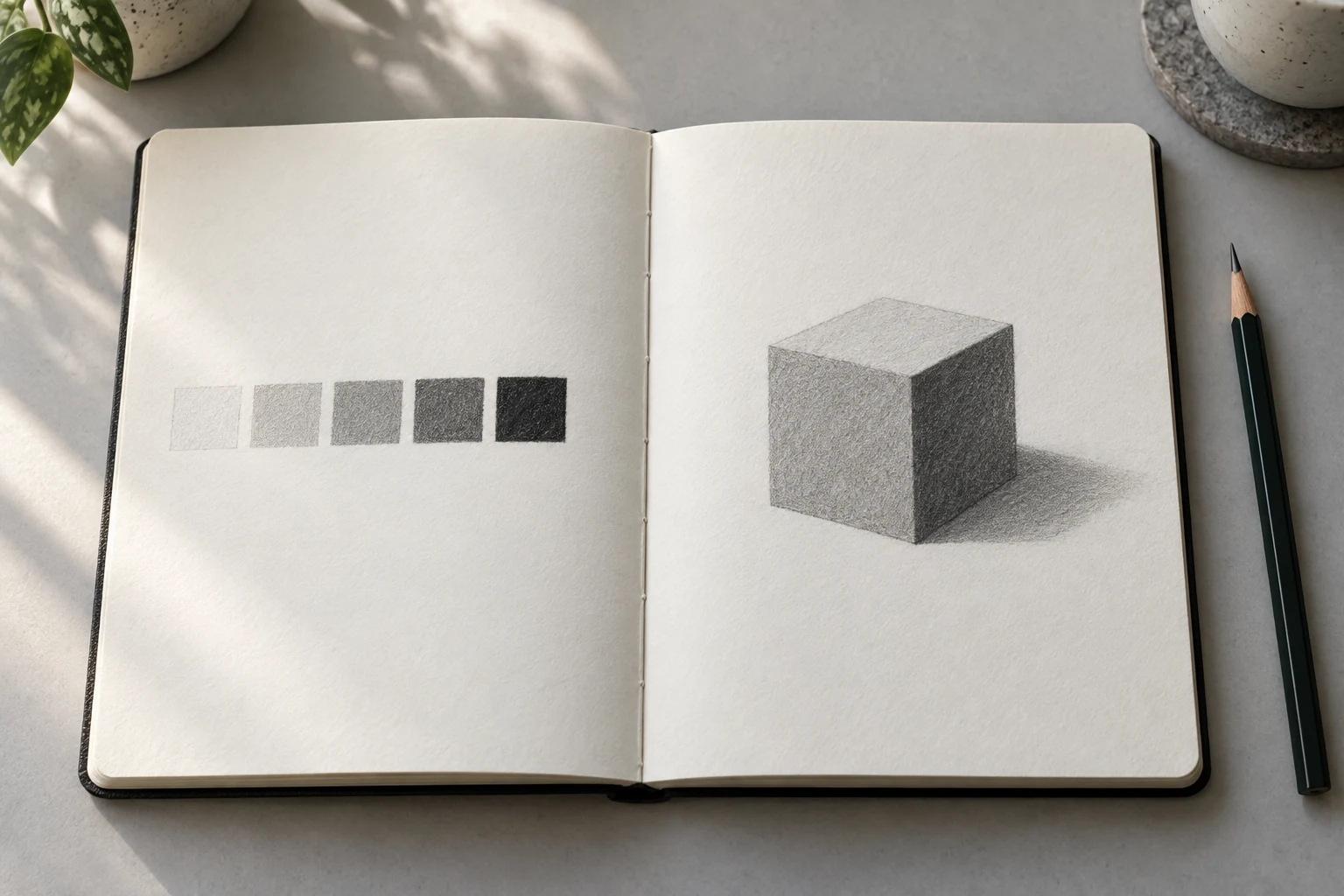
Compare five graphite values from white to dark, then use three main values to distinguish the planes of a simple shape.
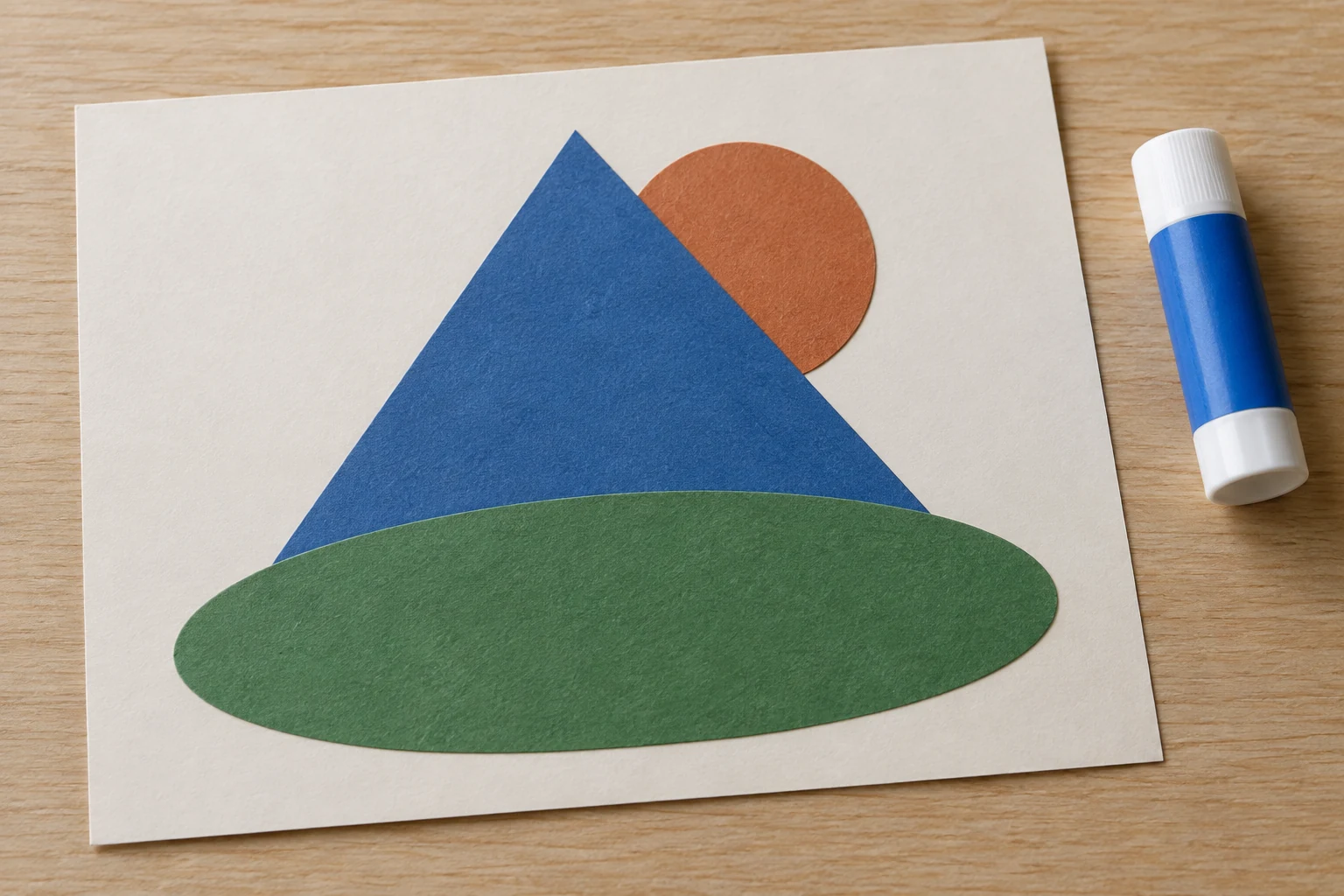
Use three paper shapes to explore front and back, read hidden edges, and arrange a collage before committing to glue.
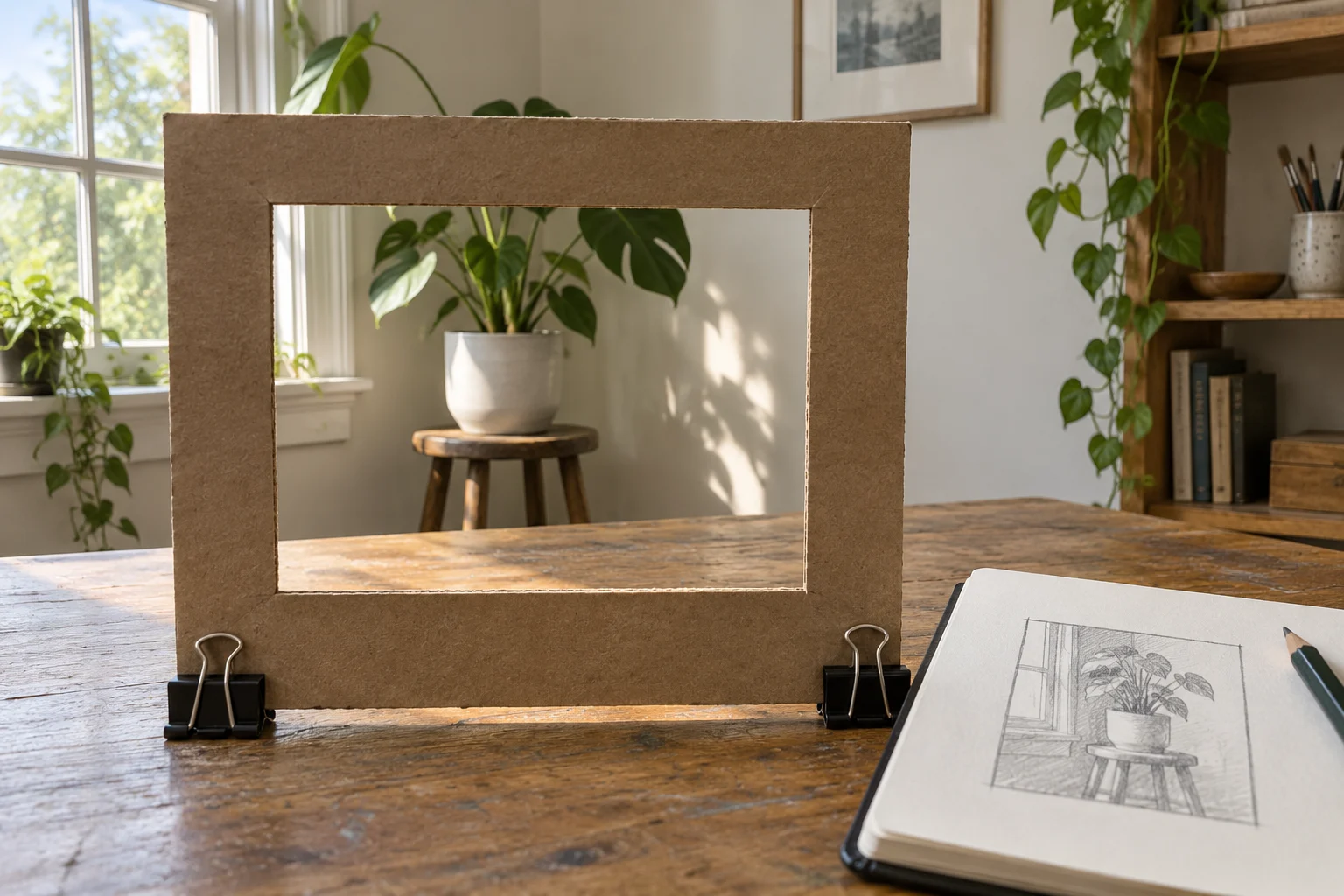
Use a simple cardboard frame to compare scene crops, choose major shapes and try compositions in a sketchbook.
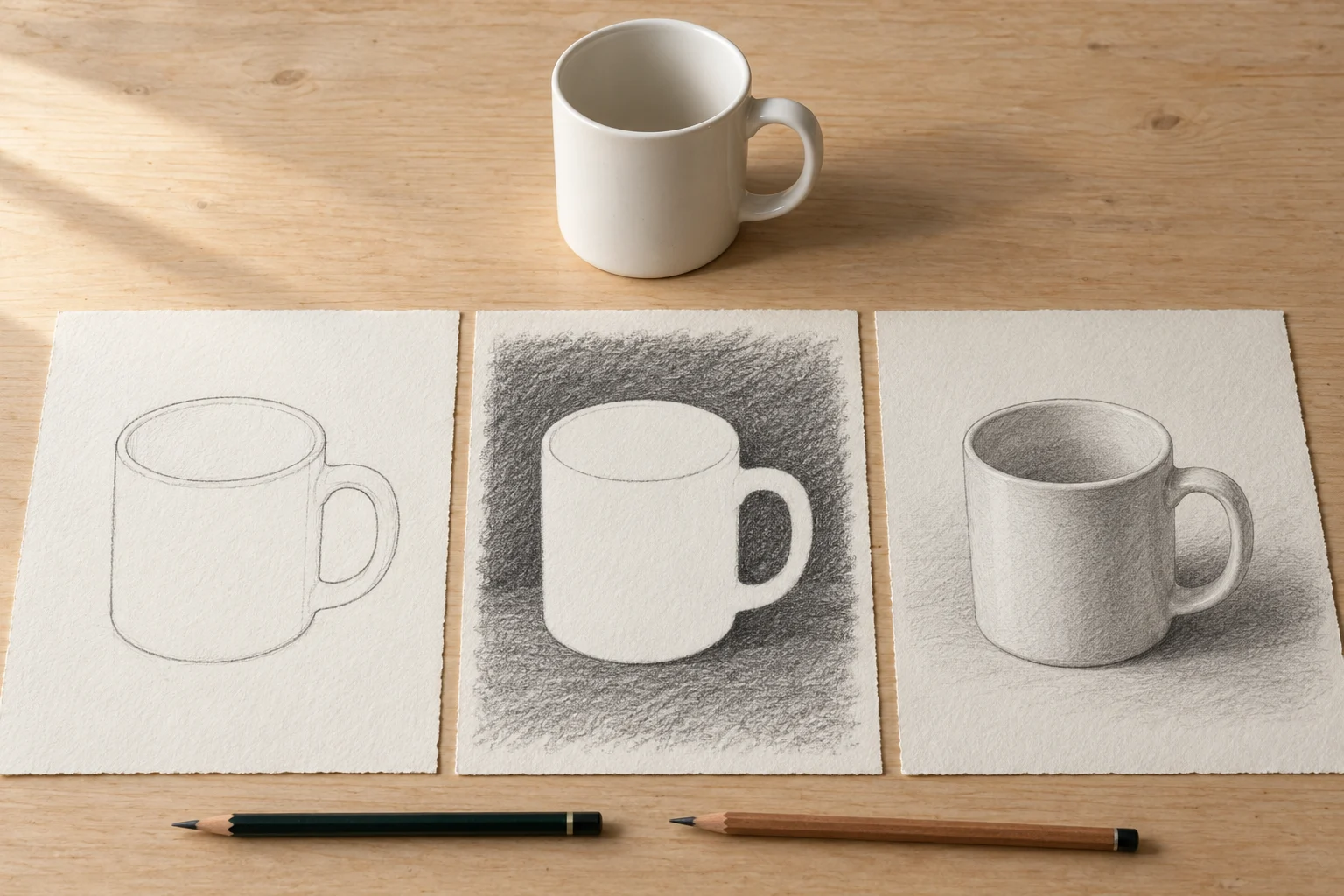
Use one simple object for three short exercises: its outline, the space around it, and its light and dark areas.

Simple line exercises develop hand control, focus, and confidence before students move into complex forms.

Mixing color develops observation, experimentation, and an understanding of how colors relate.

Tablets and styluses become serious learning tools when work still begins with observation, sketches, and visual structure.

Finishing a work builds confidence by helping students see a process become a tangible result.

Useful feedback does not take over a student's work; it helps them recognize the next practical improvement.

A small exercise can become portfolio work when students learn to select, refine, and finish it with a clear direction.

Fashion illustration brings together proportion, gesture, color, texture, and character-led design.

Acrylic painting helps students build confidence with color, texture, and gradual composition changes.

A short, consistent home routine can keep a student's creative rhythm moving between classes.

An exhibition helps students see their work as part of a larger story and present it with care.
English summaries of published Zumenart activities and announcements.

A public Zumenart note about giving children room to experiment and express themselves.

A public Zumenart post about the focus, imagination, and confidence supported by drawing practice.

A public Zumenart update about the simple tools that help children begin their art journey.

A Zumenart note about the pride and courage children build while completing a drawing.

A Zumenart educational post introducing simple forms, bold color, and imagination through Joan Miro's work.

A Zumenart update on April activities and the A World Without Fear drawing theme.

A record of Zumenart's public free-registration promotion and its published participation terms.

The public announcement for A World Without Fear, including free registration and the published submission deadline.

A public Zumenart reflection on eighteen years of creative learning and developing artwork.

A Zumenart post about practice, patience, focus, and confidence in learning to draw.
Choose a studio location to chat directly on WhatsApp.